Expert MRI Technical Services: Enhancing Diagnostic Accuracy & Patient Care
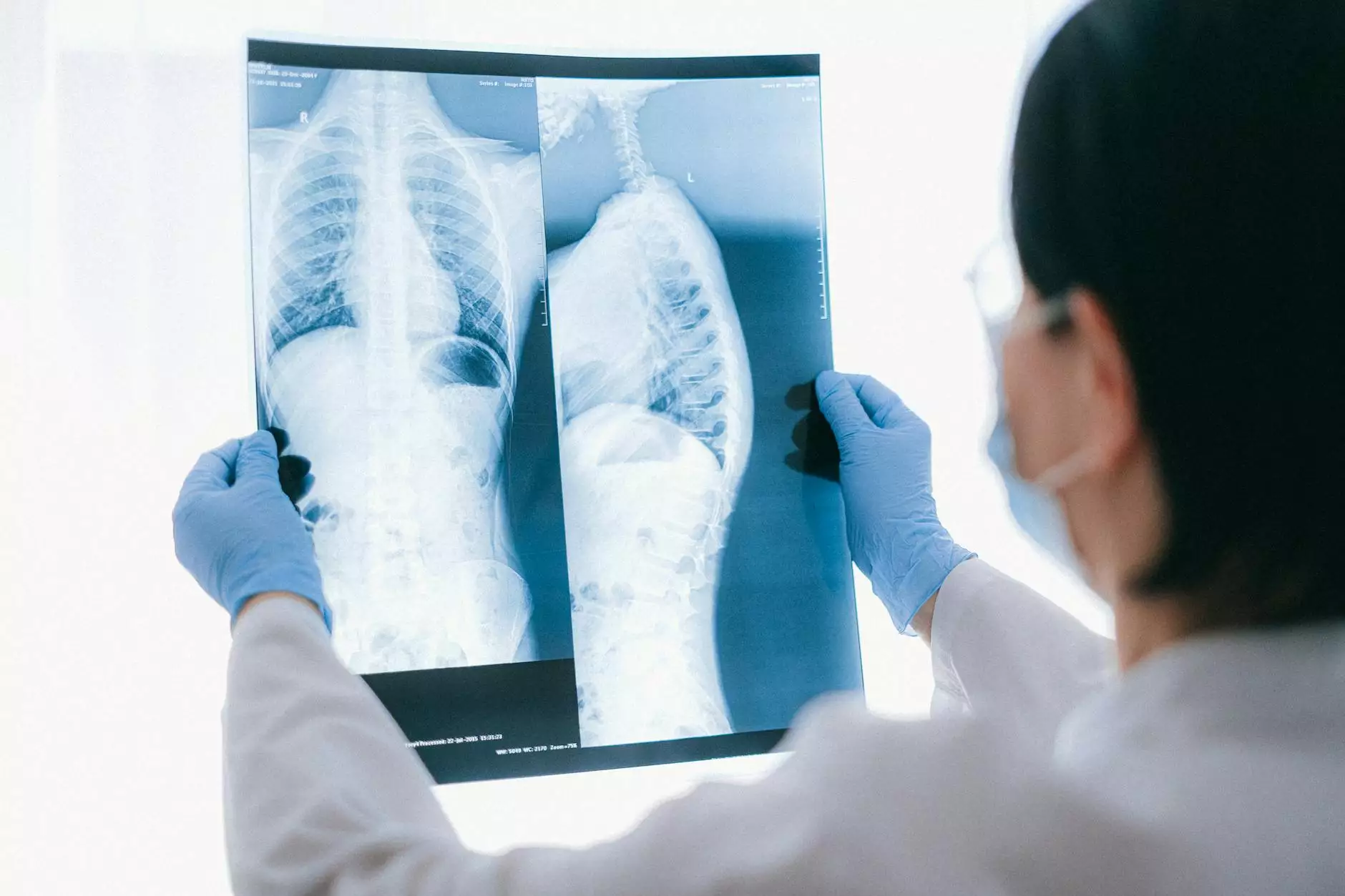
In the rapidly evolving landscape of healthcare, MRI technical services play a pivotal role in delivering precise diagnostics and ensuring optimal patient outcomes. As healthcare providers become more reliant on advanced imaging technologies, the demand for specialized, reliable, and innovative MRI technical services has never been greater. This comprehensive guide explores the importance of professional MRI technical support, the core components of exceptional services, and how they significantly impact medical centers, diagnostic services, and overall healthcare delivery.
Understanding the Significance of MRI Technical Services in Modern Healthcare
Magnetic Resonance Imaging (MRI) is an essential diagnostic tool used to visualize detailed internal structures of the body, from soft tissues to complex neurological pathways. The effectiveness of MRI imaging largely depends on technically proficient MRI services that encompass equipment calibration, maintenance, troubleshooting, and compliance with strict safety regulations.
Reliable MRI technical services are integral to maintaining high-quality imaging standards, minimizing downtime, and reducing the risk of diagnostic errors. These services assist healthcare providers in delivering quick, accurate, and non-invasive diagnostic procedures that directly influence treatment planning and patient management.
The Core Components of Exceptional MRI Technical Services
1. Routine Equipment Maintenance and Calibration
Maintaining MRI machines in peak condition requires regular preventive maintenance. This ensures optimal image quality, prolongs equipment lifespan, and minimizes unexpected breakdowns. Calibration involves fine-tuning the magnetic field, gradient system, and RF coils to adhere to manufacturer specifications, which is essential for precise diagnostics.
2. Troubleshooting and Emergency Repairs
When issues arise, swift diagnosis and repair are critical. Skilled MRI technicians diagnose hardware or software malfunctions, restore service, and optimize system performance quickly. This minimizes patient wait times and ensures continuous operation of the diagnostic center.
3. Image Quality Optimization
Ensuring the highest possible image quality involves adjusting various imaging parameters, updating software, and performing quality assurance checks. Superior image quality directly correlates with accurate diagnoses and effective treatment planning.
4. Compliance with Safety and Regulatory Standards
MRI environments require strict adherence to safety protocols to prevent hazards associated with strong magnetic fields. Expert services include safety audits, staff training, and documentation that meet local and international regulatory standards such as FDA, OSHA, and Joint Commission requirements.
5. Technological Upgrades and System Compatibility
As new MRI hardware and software technologies emerge, regular updates and upgrades ensure healthcare facilities remain at the forefront of diagnostic innovation. Technicians evaluate system compatibility, install updates, and provide extensive training for staff on new features.
Benefits of Choosing Specialized MRI Technical Services
- Enhanced Image Precision: High-quality MRI images lead to precise diagnoses, better treatment decisions, and improved patient outcomes.
- Reduced Downtime: Proactive maintenance and rapid troubleshooting minimize system outages, ensuring continuous service availability.
- Cost Efficiency: Proper maintenance extends equipment lifespan and reduces costly repairs and replacements.
- Safety Assurance: Expert adherence to safety protocols minimizes risks associated with MRI environments to both patients and staff.
- Regulatory Compliance: Keeping up-to-date with evolving standards prevents legal issues and enhances accreditation standings.
- Operational Efficiency: Streamlined workflows and system reliability improve patient throughput and reduce waiting times.
The Strategic Role of MRI Technical Services in Healthcare Facilities
In Medical Centers
Medical centers depend heavily on high-functioning MRI systems for accurate and timely diagnostics. Incorporating expert MRI technical services ensures these centers run efficiently, deliver excellent patient care, and meet regulatory standards. These services provide the backbone of operational excellence, supporting diverse diagnostic needs from neurological imaging to musculoskeletal assessments.
In Diagnostic Service Providers
Diagnostic clinics and imaging centers require specialized MRI support to handle a high volume of patients with diverse imaging needs. Critical MRI technical services involve not just maintaining the equipment but also optimizing imaging protocols customized for specific diagnostic applications, enabling faster turnaround times and higher-quality imagery.
Enhancing Patient Experience and Outcomes
Optimal MRI performance reduces scan times, minimizes discomfort, and enhances overall patient experience. Accurate images facilitate early detection of conditions such as cancer, neurological disorders, cardiovascular diseases, and musculoskeletal injuries, leading to timely interventions.
Innovations in MRI Technical Services: The Future of Diagnostic Imaging
The future of MRI technical services is geared toward technological innovation, integration of artificial intelligence, and automation. These advancements aim to improve diagnostic accuracy, streamline maintenance processes, and promote personalized healthcare.
Artificial Intelligence and Machine Learning
AI-powered diagnostics can assist technicians in identifying subtle image artifacts or anomalies, enhancing image analysis workload, and predictive maintenance of MRI systems. Machine learning algorithms can optimize imaging protocols based on patient-specific data, leading to tailored, high-quality scans.
Remote Monitoring and Support
Remote system monitoring allows technical experts to assess MRI performance in real-time, diagnose issues proactively, and provide remote support—reducing the need for onsite visits and increasing operational uptime.
Integration with Electronic Health Records (EHR)
Seamless integration of MRI systems with EHR platforms facilitates efficient data management and better communication among multidisciplinary teams, enhancing overall patient care and ensuring comprehensive documentation.
Choosing the Right MRI Technical Service Partner
Partnering with an experienced provider of MRI technical services is essential for healthcare facilities aiming to deliver superior diagnostic services. When selecting a partner, consider the following:
- Certification and Accreditation: Ensure they meet industry standards such as ISO certifications, FDA compliance, and manufacturer-authorized training.
- Experience and Expertise: Opt for providers with a proven track record in technical support across different MRI brands and models.
- Comprehensive Service Offerings: From preventative maintenance to emergency repairs, a one-stop solution minimizes operational disruptions.
- Technological Capabilities: Evaluate their adoption of modern tools like remote diagnostics, automation, and AI integration.
- Customer Support and Training: Ongoing staff training ensures proper system use and maintenance, maximizing ROI.
Conclusion: Elevating Diagnostic Efficiency Through Expert MRI Technical Services
In an era where diagnostics are the cornerstone of effective healthcare, the role of professional MRI technical services cannot be overstated. These services are fundamental in maintaining the integrity, safety, and performance of MRI systems—ultimately translating into high-quality patient care and improved health outcomes.
By investing in experienced, innovative, and comprehensive MRI support, healthcare providers ensure their facilities stay ahead of technological advances, regulatory standards, and patient expectations. As a result, diagnostic accuracy is enhanced, operational costs are optimized, and the overall reputation of medical centers and diagnostic services is strengthened.
To remain competitive and deliver exceptional patient care, partnering with trusted MRI technical service professionals is the strategic choice every modern healthcare facility should consider. The future of diagnostic imaging demands excellence, precision, and innovation—hallmarks that can only be achieved through specialized, dedicated MRI technical support.